
Vintage Photography
famous work of "urban photographer" Joe Schwartz
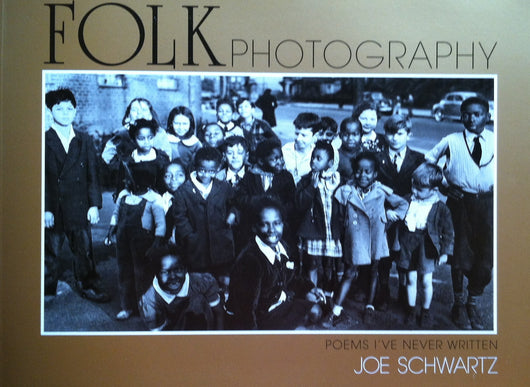
Folk Photography, Poems I've Never Written ( photo book)
Regular price
$60.00
$45.00
Sale
With 5th Division Iwo Jima WWII / February 19 1945 - Silver Gelatin Print
Battle Stances Iwo Jima WWII / 1945 - Silver Gelatin Print
So This Is New York? / 1930s - 42nd Street, New York - Silver Gelatin Print
Get A Shine, A Newspaper, Hire A Cab / 1939 - 42nd Street & Broadway, New York - Silver Gelatin Print
Slums Must Go! / 1930s - May Day Parade, New York - Silver Gelatin Print
Inside-Out / 1940s - Kingsboro Housing Project - Brooklyn, New York - Silver Gelatin Print
Acting As If / 1930s - Washington D.C. - Silver Gelatin Print
Dodger Locker And Shower Room / 1930s - Brooklyn, New York - Silver Gelatin Print
Save The 5 Cent Fare / 1940s - Brooklyn, New York - Silver Gelatin Print
Some World Citizens / 1940s - Kingsboro Housing Project- Brooklyn, New York - Silver Gelatin Print
Catching Up / 1945 - San Leandro Naval Hospital - California - Silver Gelatin Print
Home From School / 1940s - Ralph Avenue - Brooklyn, New York - Silver Gelatin Print
We Love A Parade / 1930s - Broadway, New York - Silver Gelatin Print
They Gave Their Best For Democracy / 1947 - Brooklyn, New York - Silver Gelatin Print
Home On The Hudson / 1930s - Coal Barge - New York - Silver Gelatin Print
Does Discriminate / 1940s - First Black Women To Picket Chain For Jobs - Brooklyn, New York - Silver Gelatin Print
Tricycle Gang / 1940s - Herkimer Street - Brooklyn, New York - Silver Gelatin Print
Inside - Outside / 1930s - Fulton Street - Brooklyn, New York - Silver Gelatin Print
Hand And Foot Wrestle Kid-Folk Game / 1930s - Upper Manhattan, New York - Silver Gelatin Print
Like Joe Louis / 1930s - In the Shadow of the Capitol - Washington D.C. - Silver Gelatin Print
Finger Measuring / 1930s - Brownsville - Brooklyn, New York - Silver Gelatin Print
Promises, Promises! / 1930s - Herkimer Street - Brooklyn, New York - Silver Gelatin Print
Too Long! Too Long! / 1930s - McDonough Street - Brooklyn, New York - Silver Gelatin Print
Man At 6th Avenue Cafeteria / 1930s - Manhattan, New York - Silver Gelatin
How Long? How Long? / 1940s - 2 A.M. on the "A" Train - Brooklyn, New York - Silver Gelatin Print
Miss America / 1940s - Ocean Hill - Brooklyn, New York - Silver Gelatin Print
Shine, Shave, And Haircut / 1940s - Ralph Avenue - Brooklyn, New York - Silver Gelatin Print
Watchin' All The Girls Go By / 1930s - Manhattan, New York - Silver Gelatin Print
Lot Baseball / 1930s - Greenwich Village - New York - Silver Gelatin Print
Bertha / 1960s - Santa Monica, California - Silver Gelatin Print
Street Musicians / 1947 - East 6th Street - Kentucky - Silver Gelatin Print
Steps To Early Dental Clinic / 1930s - Manhattan, New York - Silver Gelatin Print
Homeless, But Some Hope / 1939 - Manhattan, New York - Silver Gelatin Print
Work Done A Flight Begun / 1939 - "Remembering the Photo League" - New York - Silver Gelatin Print